Back to articles
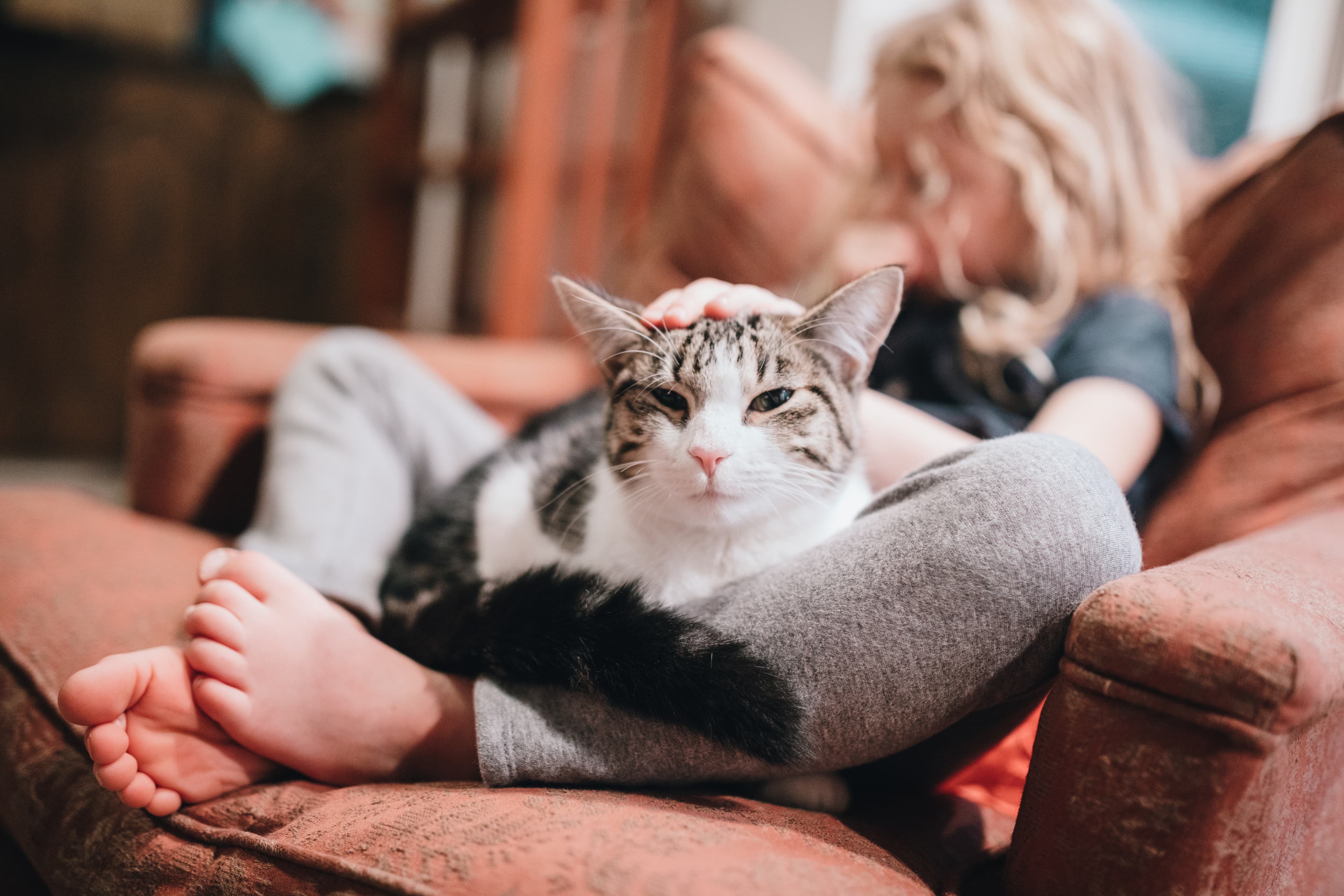
Cat resting calmly beside a child on a sofa at home
Trust & safetyJanuary 23, 2026 · 1 min read

Understanding Pet Body Language: What Your Pet Is Really Saying

Animals “talk” — just not in words. Learning to read your pet’s signals helps prevent stress, misunderstandings, and even accidents. Common signs to look for: Relaxed pet: loose body, slow tail wag (dog), upright ears…

Animals “talk” — just not in words. Learning to read your pet’s signals helps prevent stress, misunderstandings, and even accidents. Common signs to look for: Relaxed pet: loose body, slow tail wag (dog), upright ears, normal breathing.

Stressed pet: tucked tail, flattened ears, dilated pupils, trembling, yawning, or licking lips excessively.

Happy pet: playful jumps, gentle eye contact, relaxed mouth, slow blinking (in cats).

Pro tip:

Every pet is unique. Take time to notice what “normal” looks like for yours, so you can quickly tell when something’s off. Understanding your pet’s language is the foundation of every strong bond — for both Pet Parents and Pet Friends.
Related articles

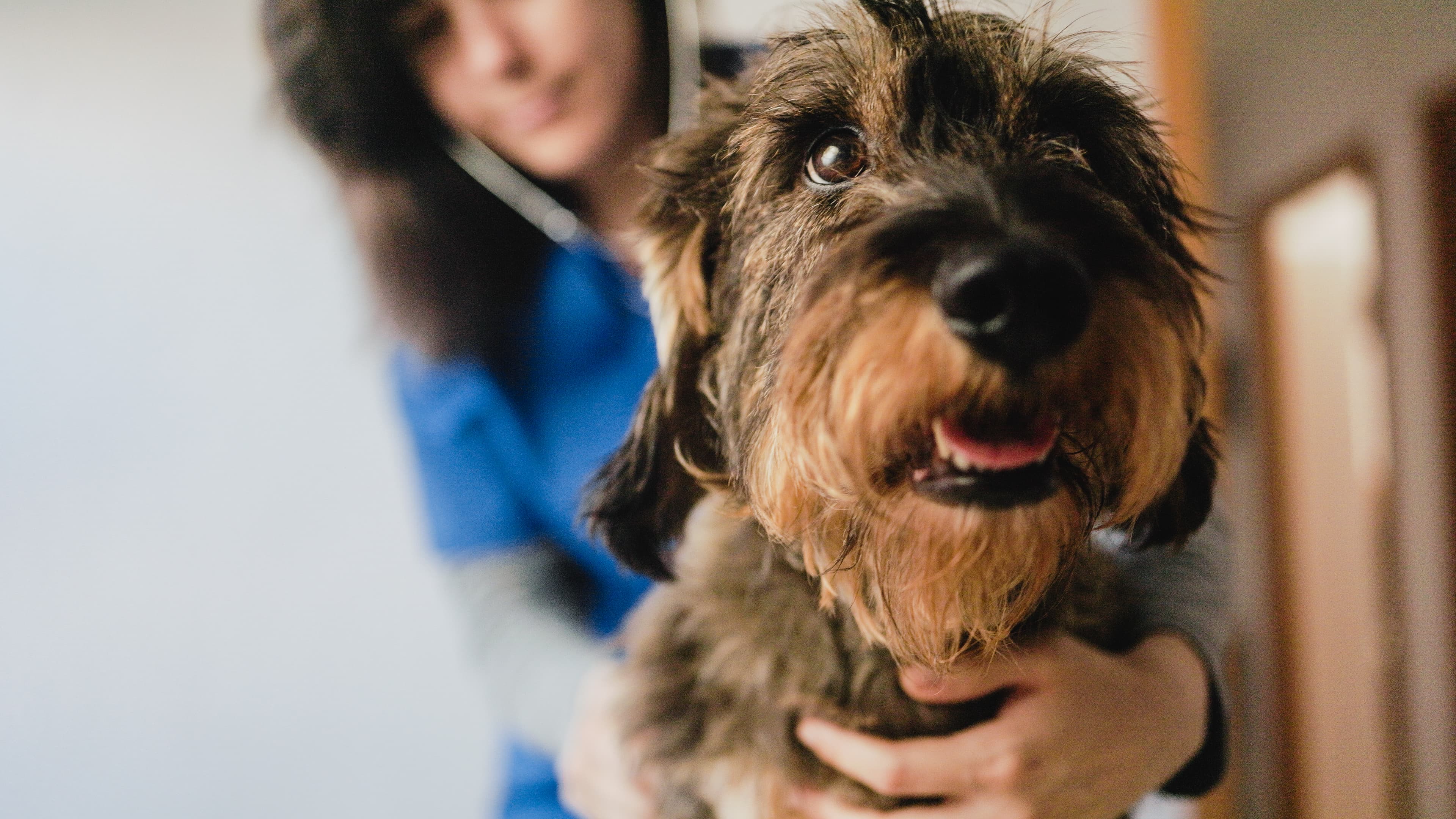
Veterinarian examining a dog during a check-up or emergency visit
Trust & safetyJanuary 23, 2026 · 1 min read

Emergency Basics Every Pet Friend Should Know

Preparation brings peace of mind. Accidents are rare, but knowing what to do helps you stay calm and act fast. Know this before you start: The pet’s vet name, address, and phone number. Any medications or allergies. T…

Read article →
Person on a sofa with a cat on their lap while working from home
Pet careJanuary 23, 2026 · 1 min read

Pet Routines That Keep Everyone Happy

Consistency is key to comfort. Pets thrive on routine — it gives them a sense of safety. When their schedule changes, they can feel confused or anxious. Tips for smooth routines: Keep feeding times regular. Sudden cha…

Read article →

Ready to find trusted pet care?

Search for care near you, or join as a Pet Friend and spend meaningful time with pets.